
The terpene that smells like a rose garden and fights like a chemist.
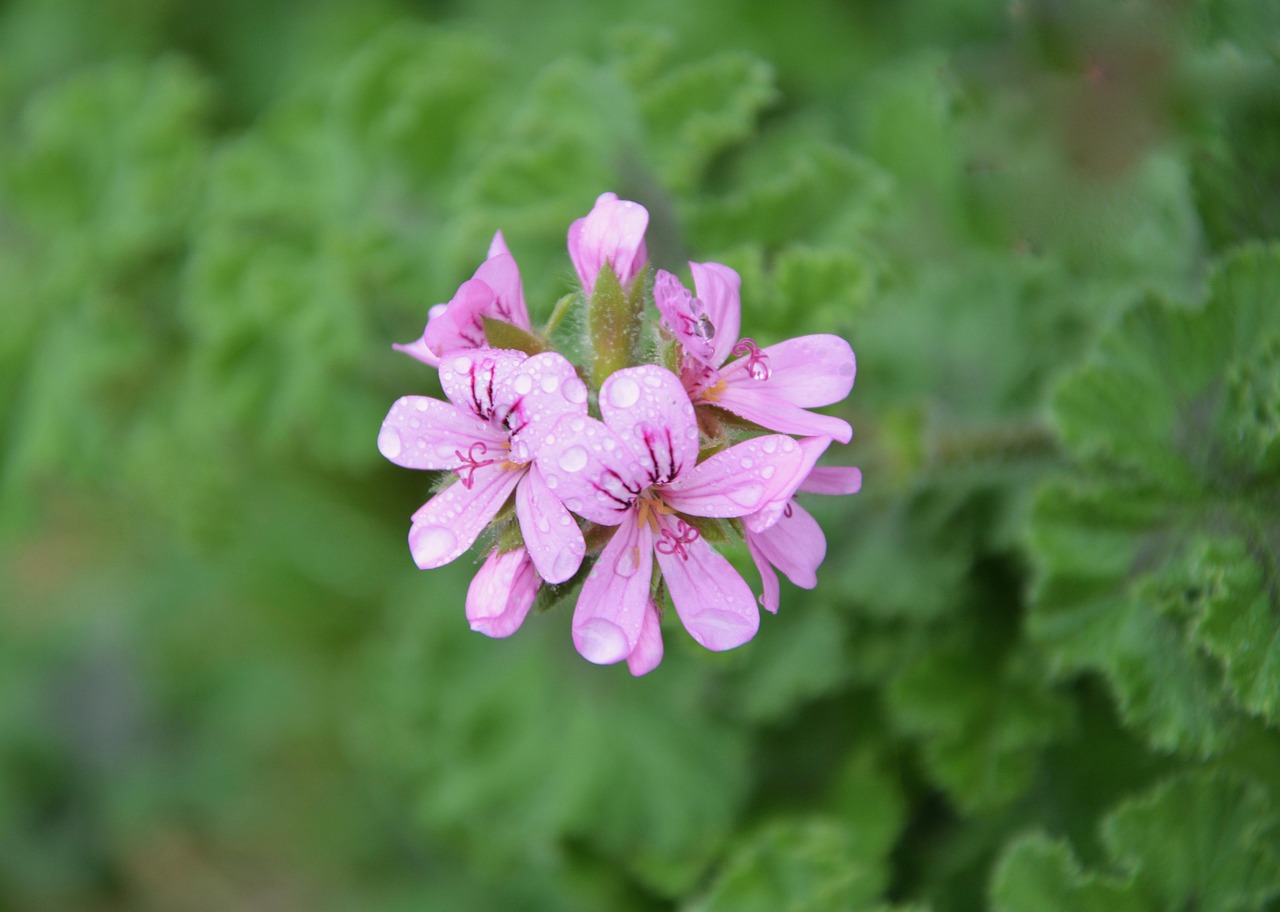
Geraniol is an acyclic monoterpene alcohol — a naturally occurring compound found in the essential oils of geraniums, roses, palmarosas, and Java citronella. If you've ever walked through a rose garden and stopped mid-stride because the scent was just extraordinary, you were experiencing geraniol doing its job. It's the primary aroma compound in rose oil, and it's responsible for the sweet, floral, slightly citrusy character that appears in cannabis strains, perfumes, candles, soaps, and even baked goods.
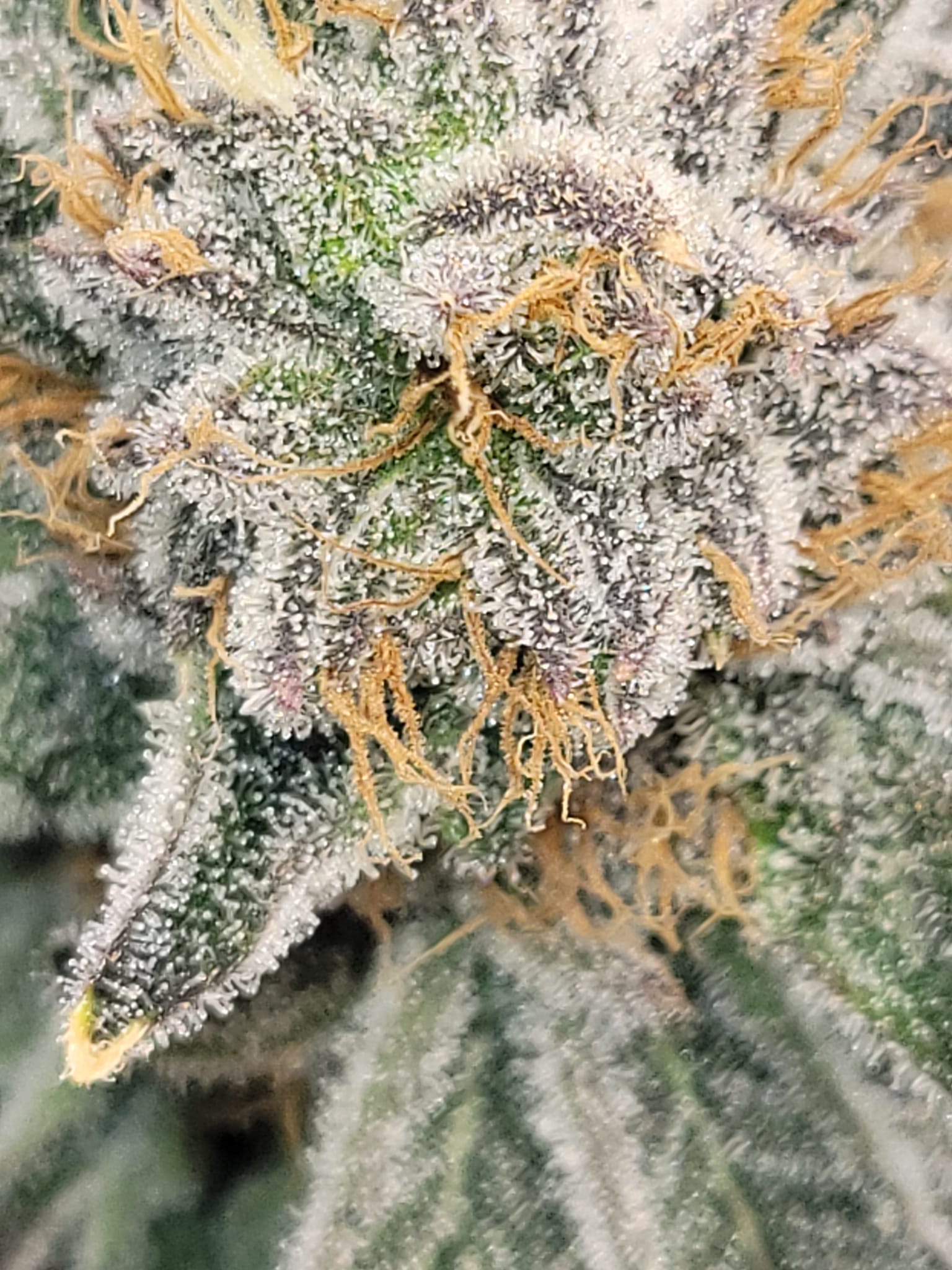
In cannabis, geraniol appears typically at trace levels in most strains — but its boiling point of 230°C (446°F) makes it the highest-boiling terpene in this entire 11-part Flavor Friday series. That heat stability means it survives conditions that destroy more volatile terpenes, and it remains therapeutically active across a wider range of consumption methods than most of its terpene counterparts.
From Jeff — The Terpene I Didn't Expect to Find Fascinating:
Geraniol doesn't show up prominently in any of my 2026 COA data — GG4 has a trace at 0.01% and that's about it. So why dedicate a full Flavor Friday to it? Because the science is genuinely remarkable. When I started digging into geraniol research for this post I kept finding study after study — antioxidant, antifungal, anti-cancer sensitization, diabetes management in animal models, cardiovascular research, neuroprotection. For a terpene most cannabis consumers have never thought about, its medicinal profile is broader than many of the more famous terpenes in this series. And the bee thing. I cannot get over the bee thing. Nature decided that the same compound making roses smell like roses would also be the signaling chemical bees use to communicate with each other. Cannabis, roses, and bee colonies — all running on geraniol. That's wild.
Jeff Bugay — Dr. Green | HgvtPro
Geraniol's medicinal profile is broader than you'd expect.
Antioxidant — Free Radical Scavenger
Geraniol's most well-documented property. Terpenes in essential oils function as free radical scavengers — neutralizing oxidizing chemicals inside the body that damage DNA and cellular components. Free radicals are associated with cancer, Parkinson's disease, Alzheimer's disease, and accelerated aging. Geraniol actively reduces their population.
Anti-Cancer Research — Sensitizes Tumor Cells
Per a review in the International Journal of Oncology, "geraniol sensitizes tumor cells to commonly used chemotherapy agents." It may also help prevent cancer cells from developing resistance to anticancer drugs — making it a compelling candidate for multi-targeted anti-cancer treatment research. A 2016 study specifically found geraniol suppresses colon cancer cell growth.
Antifungal & Antibacterial
Tested against 18 different bacteria and fungi in a landmark study — geraniol's antifungal and antibacterial properties were confirmed significant across the board. It acts as an effective antimicrobial and antibacterial agent. This makes it particularly valuable in cannabis topicals and skincare formulations targeting fungal skin conditions.
Neuroprotective & Antiviral
Geraniol has confirmed neuroprotective properties. Researchers believe it may be successfully employed against viral infections — and some suggest it's probably already being used in that capacity in traditional medicine applications today. The neuroprotective pathway overlaps with its powerful antioxidant mechanism.
Diabetes & Cardiovascular Research
Animal studies on hamsters and rats revealed geraniol could potentially help manage diabetes and hyperglycemia. Medical specialists have also studied its potential contribution to mitigating atherosclerosis — the arterial hardening condition that's a primary driver of heart disease and stroke. Active research continues.
Anti-Inflammatory
A 2015 study confirmed geraniol has major anti-inflammatory and antioxidant properties that are beneficial to the human body. Like most terpenes, its anti-inflammatory activity contributes to the entourage effect in cannabis — adding to the combined anti-inflammatory action of caryophyllene, humulene, and myrcene in full-spectrum flower.
🐝 The Bee Fact That Will Blow Your Mind
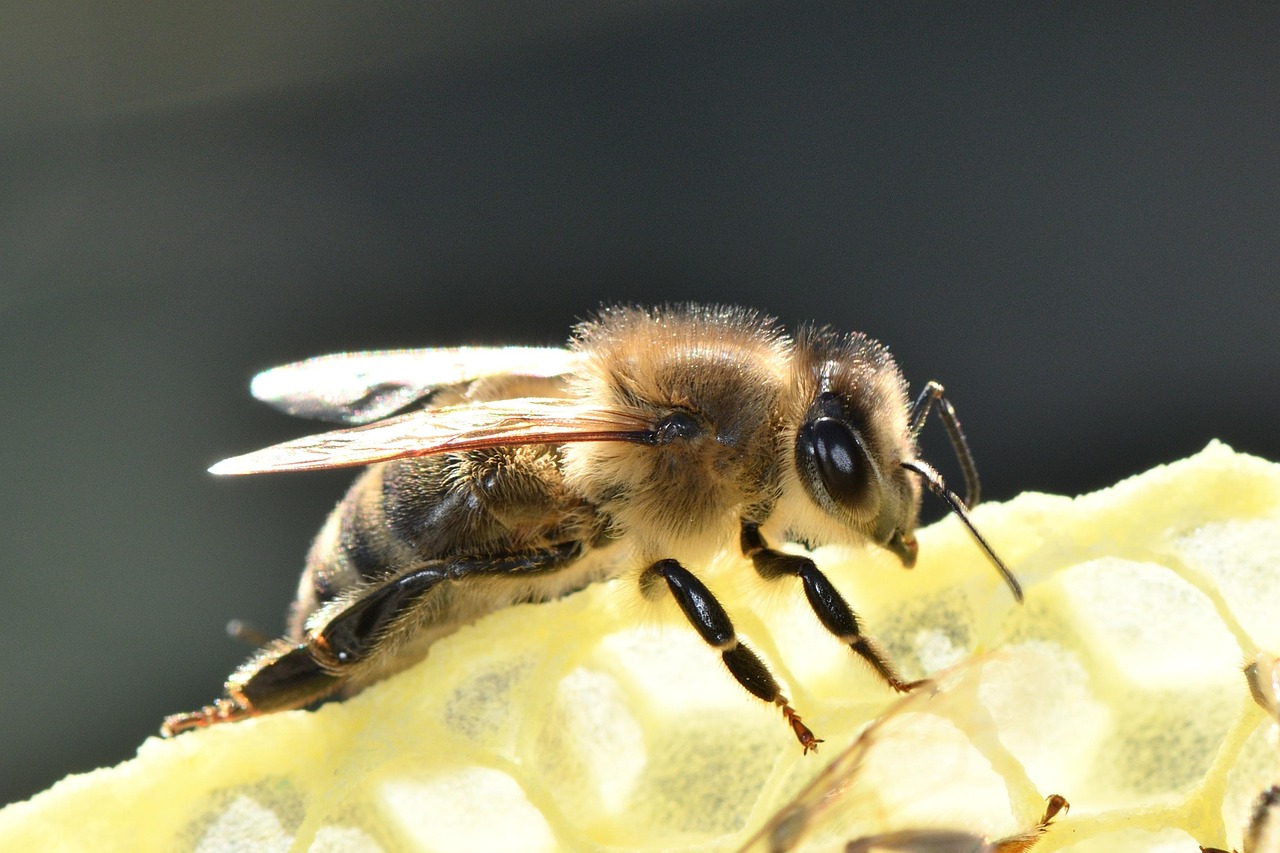
Geraniol is produced naturally by bees — specifically by the Nasanov gland — and used as a pheromone to mark their territories, attract swarm members to new hive locations, and communicate with colony members. The same compound that makes roses smell like roses and gives cannabis its sweet floral notes is a critical communication chemical in bee colonies. Geraniol candles have also been shown to be up to 5x more effective than citronella candles at repelling insects. So if you're growing outdoors and want to deter pests, planting roses and geraniums near your grow space isn't just decorative — it's integrated pest management. Jeff endorses this accidental strategy entirely.
Why 230°C boiling point changes how you use geraniol.
At 230°C (446°F), geraniol has the highest boiling point of any terpene in this series — a full 108°F higher than nerolidol, the lowest. This heat stability is both a commercial advantage and a practical consideration for consumers. Unlike fragile low-boiling terpenes that degrade quickly with heat exposure, geraniol survives the drying and curing process reliably and remains active across a broader range of vaporization temperatures.
For commercial cultivators, geraniol's heat stability means it's preserved better in processed and extracted products than more volatile terpenes. Geraniol-containing extracts, concentrates, and topicals retain their therapeutic properties through processing steps that would destroy nerolidol, myrcene, or other low-boiling compounds.
The Fragrance Industry Connection
Geraniol is one of the most commercially valuable terpenes outside of cannabis — its sweet rose-citrus fragrance profile is used extensively in perfumes, candles, soaps, pastries, and desserts. The same compound giving your rose-scented candle its aroma is present at trace levels in your cannabis flower. This industrial demand creates an interesting dynamic: geraniol's fragrance value means it's been extensively studied by cosmetic and food industries for decades, providing a deeper research base than many cannabis-specific terpenes enjoy.
Geraniol in the Entourage Effect
Even at trace concentrations, geraniol contributes meaningfully to the entourage effect. Its antioxidant properties complement caryophyllene's CB2 receptor activation. Its anti-inflammatory effects add to humulene and linalool's anti-inflammatory contributions. And its potential to sensitize tumor cells to chemotherapy agents opens therapeutic applications that other terpenes simply don't provide. In the cannabis medicinal context, geraniol is the quiet professional — present in small amounts, working reliably in the background, doing meaningful therapeutic work without announcing itself.
Geraniol in the 2026 lineup — COA verified.
Geraniol is present at trace or non-detected levels in most cannabis strains — including Jeff's 2026 lineup. This is typical for geraniol and consistent with its status as a secondary terpene in most modern hybrids. Where it does appear, it contributes to the overall therapeutic character through its antioxidant and anti-inflammatory properties at concentrations that may be lower than primary terpenes but remain pharmacologically active.
| Strain | Geraniol % | Status | Lab |
|---|---|---|---|
| 🦍 GG4 — Gorilla Glue #4 | 0.01% | Trace — detected | MCR Labs ✅ |
| 🍎 Apple Fritter | Not Detected | Below LOQ | US Cannalytics ✅ |
| 🍇 Grape Canyon Zkittles | Not Detected | Below LOQ | North Coast Testing ✅ |
| 🌺 Hippie Crasher | Not Detected | Below LOQ | North Coast Testing ✅ |
🌿 Want to grow terpene-rich genetics this season?
🌱 Cultivation Consultation
On-site grow evaluation, COA analysis, strain selection & complete grow plan
$150/hr — On-Site💻 Virtual Consultation
Phone or video — strain advice, COA breakdown, any grow question
$60 / 30 min📦 Ask Dr. Green — 3 Sessions
Three 30-min sessions — use throughout the season as needed
$149 / 3 Sessions🌿 Clone Consultation
On-site delivery + consultation. Includes 2 FREE premium clones
$150/hr + Clones🌹 Ready to Grow Your Own Medicine?
Vermont's season is moving. Eight terpenes deep in this series and the lesson is always the same: the flower you grow is only as medicinal as the genetics you start with and the care you put in. Jeff's 2026 COA-verified lineup was selected for therapeutic terpene profiles. Spring consultation slots are still open.
(802) 882-7077 · jeff@hgvtpro.com · hgvtpro.com · @hgvtpro