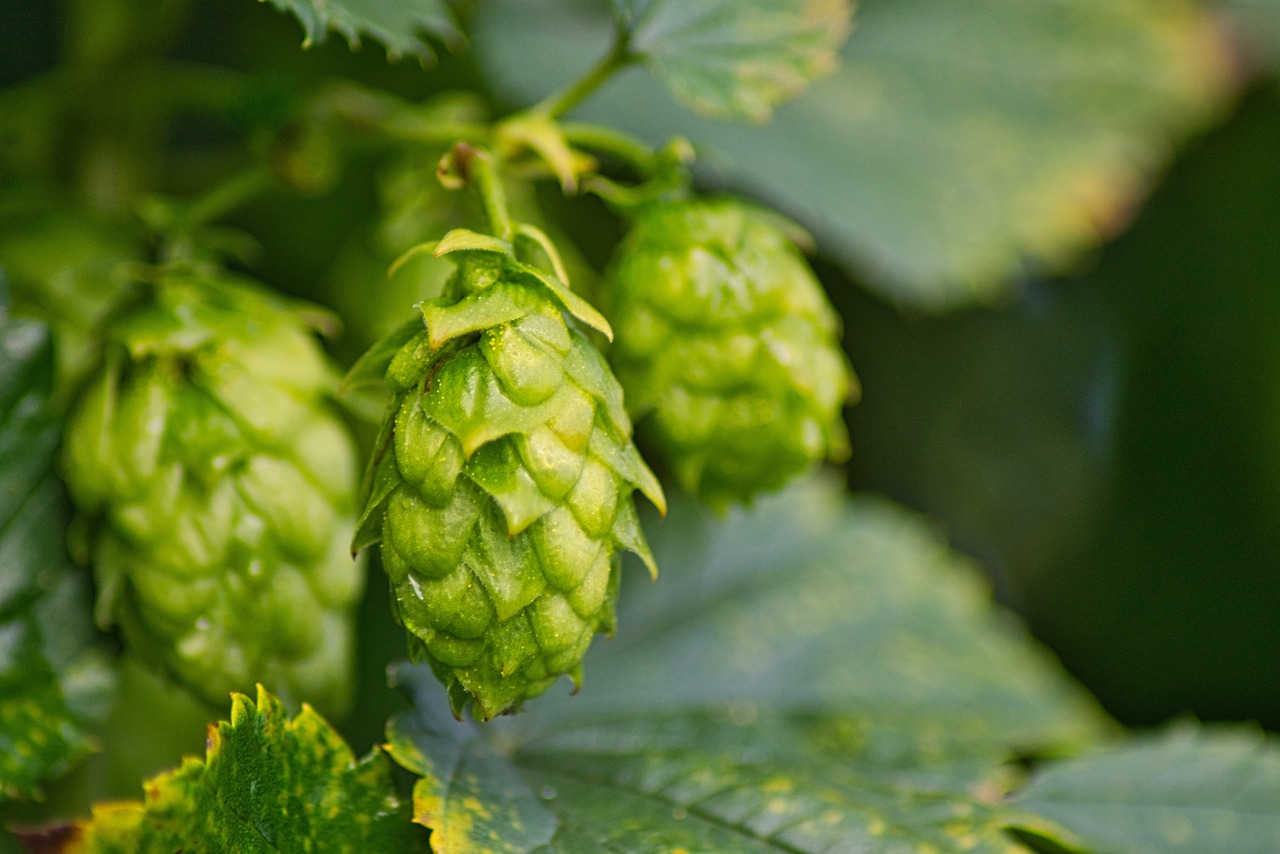
The terpene that hops and cannabis share.
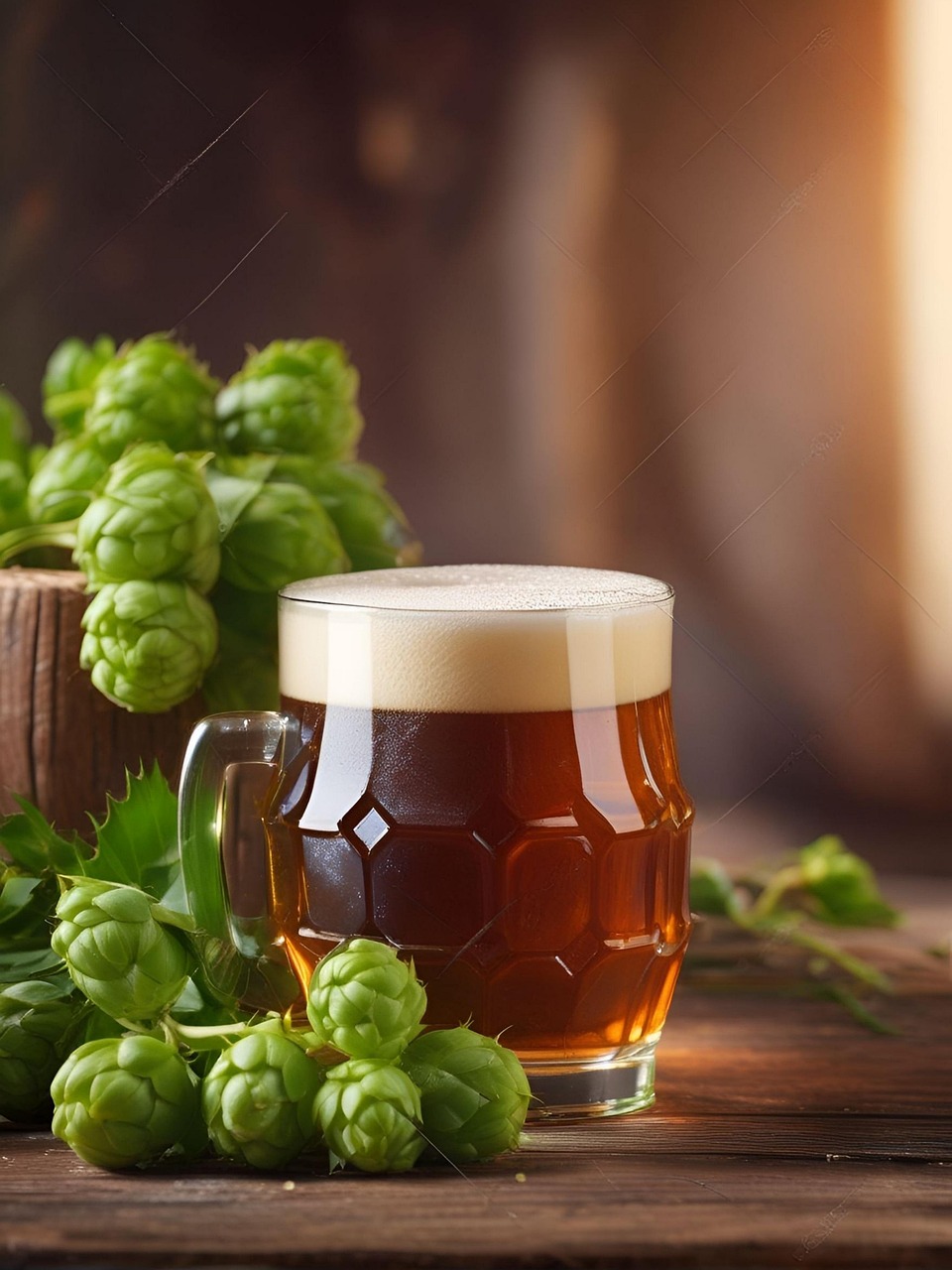
If you've ever cracked open a hoppy IPA and taken in that earthy, herbal, slightly spicy aroma before the first sip — you've experienced humulene. It's the primary terpene responsible for the distinctive bitterness and aroma of hops (Humulus lupulus), and it's also one of the most therapeutically significant terpenes in cannabis. The name isn't a coincidence — humulene takes its name directly from the hop plant.
Classified as a sesquiterpene, humulene is closely related to caryophyllene — they're actually isomers, meaning they share the same molecular formula but with different chemical structures. This relationship is more than academic: the two terpenes appear to amplify each other's anti-inflammatory properties and, in combination, show anti-cancer research results that neither achieves alone. If you've been following this series, you know caryophyllene is the most dominant terpene in the 2026 lineup. Humulene is its partner.
From Jeff — Why Humulene Is in Every Strain I Grow:
When I'm selecting genetics, I'm always looking at the BCP (caryophyllene) reading first. But the second number I look at is humulene — because the BCP + humulene combination is where the most compelling anti-cancer research lives. A 2007 study showed these two terpenes together inhibited tumor growth by up to 90% in laboratory conditions, compared to 69% for humulene alone. That's not marketing language — that's published research. Every single strain in my 2026 lineup carries both BCP and humulene, and that's by design. When you grow clean, terpene-rich genetics, you're not just growing a recreational product. You're growing a medicinal delivery system. Choose your genetics accordingly.
Jeff Bugay — Dr. Green | HgvtPro
What humulene actually does — backed by research.
Anti-Tumor Research
Humulene inhibits tumor growth by producing reactive oxygen species — chemicals that help destroy cancer cells. A 2003 study confirmed anti-cancer potential, a 2007 study showed up to 69% tumor growth inhibition alone, and up to 90% when combined with caryophyllene. Research continues across multiple cancer types.
Anti-Inflammatory — Comparable to Steroids
Humulene's anti-inflammatory properties are so well-documented that research has compared them to dexamethasone — a corticosteroid on the WHO's list of most essential medicines. Effective for arthritis, bursitis, fibromyalgia, and any condition that benefits from reduced systemic inflammation.
Natural Appetite Suppressant
Humulene is unique among cannabis terpenes for being anorectic — it actually suppresses appetite rather than stimulating it. High-humulene strains buck the "munchies" stereotype entirely. Combined with BCP's CB2 activation, this makes humulene-dominant strains particularly relevant for weight management applications.
Pain Relief — Systemic & Topical
Humulene acts as a potent pain reliever through antinociceptive (pain-blocking) mechanisms. It's effective through multiple delivery methods — inhalation, oral, and topically. Cannabis balms and salves frequently include humulene-rich extracts specifically for localized pain and inflammation relief.
Antibacterial
Humulene has been used in traditional folk medicine for centuries against bacterial infections. Modern research confirms effectiveness against staph infections and other bacterial strains. Like linalool and limonene, humulene also demonstrates antifungal properties that contribute to the plant's natural defense systems.
Traditional Chinese Medicine Heritage
Humulene-containing plants have been used in holistic Eastern medicine for generations across a wide variety of applications. Modern biomedical research is now confirming what traditional practitioners knew empirically — the anti-inflammatory, antibacterial, and anti-cancer properties are real and significant.
Humulene, caryophyllene, and the 90% research finding.
Humulene and caryophyllene are isomers — they have the same molecular formula (C₁₅H₂₄) but different structural arrangements. This structural relationship means they interact with similar biological pathways, and when present together, they appear to amplify each other's therapeutic effects significantly rather than simply adding them together linearly.
The most cited research involves their combined anti-cancer activity. A 2003 study by Legault and Pichette first established humulene's tumor-inhibiting properties. A landmark 2007 follow-up study demonstrated that while humulene alone inhibited tumor growth by approximately 69%, the combination of humulene and beta-caryophyllene increased that inhibition to up to 90% in laboratory conditions. The mechanism involves humulene's ability to produce reactive oxygen species that trigger apoptosis (programmed cell death) in cancer cells — and caryophyllene's CB2 receptor activation appears to significantly enhance this effect.
The Appetite Suppression Mechanism
Cannabis has a well-known reputation for stimulating appetite — but this effect is not universal and is primarily driven by specific terpene profiles, not THC alone. Myrcene-dominant, sedating strains tend toward appetite stimulation. Humulene-dominant strains work in the opposite direction through interactions with the endocannabinoid system that reduce hunger signaling. When BCP and humulene combine, research shows CB2 receptor binding that can suppress appetite at doses of 10-200mg. This makes high-humulene strains genuinely interesting for weight management and metabolic health applications beyond the anti-inflammatory effects.
Topical Applications
Humulene is particularly well-suited for topical formulations — balms, salves, and transdermal patches — because of its strong anti-inflammatory properties without psychoactivity. It penetrates skin effectively and delivers targeted relief to specific areas. If you're making your own cannabis-infused topical products, choosing trim and flower with high humulene content is a strategic decision that directly affects the therapeutic outcome.
🔬 The Entourage Effect — Humulene in Context
Humulene doesn't work in isolation — no terpene does. In Jeff's strains, humulene works alongside caryophyllene, limonene, and linalool to create a therapeutic combination greater than any single compound alone. The BCP + Humulene combination is the anti-tumor research pairing. Add limonene for mood and anxiety support. Add linalool for GABA modulation and sleep. The result is a whole-plant medicinal profile that no isolated compound can replicate.
Humulene in the 2026 lineup — COA verified.
Humulene is present in all six strains in the 2026 lineup — always alongside caryophyllene, since they share biosynthetic pathways. The levels below represent the actual lab-verified humulene content in each strain. When combined with their BCP readings, these are the strains with the BCP + Humulene anti-cancer research combination:
| Strain | Humulene % | BCP % (partner) | Combined | Lab |
|---|---|---|---|---|
| 🍎 Apple Fritter | 0.243% | 0.842% | 1.085% | US Cannalytics ✅ |
| 🍇 Grape Canyon Zkittles | 0.227% | 0.680% | 0.907% | North Coast Testing ✅ |
| 🦍 GG4 — Gorilla Glue #4 | 0.150% | 0.560% | 0.710% | MCR Labs ✅ |
| 🌺 Hippie Crasher | 0.101% | 0.301% | 0.402% | North Coast Testing ✅ |
| 🏆 Trainwreck | Moderate — phenotype verified | High — verified | Strong combination | Jeff Bugay 🌿 |
| 🌟 Acapulco Gold | Present — landrace profile | BCP dominant | Landrace complexity | Heritage Verified 🏺 |
Growing and curing for maximum humulene expression.
🌡️ Late Flower Temperature Drops: Like most terpenes, humulene expression increases when plants experience mild environmental stress. Running your grow room 10-15°F cooler at night during the final 3 weeks of flower signals the plant to increase terpene production as a defense response. This is one of the most impactful low-cost techniques for terpene enhancement.
🌬️ Boiling Point Awareness (198°C / 388°F): Humulene shares its boiling point with linalool at 198°C. If you're using a dry herb vaporizer, staying below 200°C/392°F preserves the full humulene experience. Above that temperature, you're combusting the compound rather than vaporizing it — which not only destroys the terpene but also loses the therapeutic benefit entirely.
🫙 Cure for Terpene Complexity: The cure continues developing terpene profiles for 4-8 weeks after harvest. Humulene's earthy, woody complexity actually deepens during a proper cure — the characteristic hoppy, herbal notes become more pronounced and refined. Rushing the cure is the single most common way to lose the terpene quality you worked all season to build.
💊 Topical Extraction: If you're making your own infused products, humulene-rich flower and trim (Apple Fritter, Grape Canyon Zkittles) makes an excellent choice for topical applications — salves, balms, massage oils. The anti-inflammatory properties are active topically and effective for localized joint and muscle relief.
Jeff Bugay — Dr. Green | HgvtPro
🌿 Ready to grow strains like these? Jeff can help.
🌱 Cultivation Consultation
On-site grow evaluation, training, COA analysis & complete grow plan for your space
$150/hr — On-Site💻 Virtual Consultation
Phone or video — diagnose problems, strain selection, feeding questions — fast
$60 / 30 min📦 Ask Dr. Green
3-session package — use throughout the season whenever you need guidance
$149 / 3 Sessions🌿 Clone Consultation
On-site clone delivery + full consultation. Includes 2 FREE premium clones
$150/hr — Includes Clones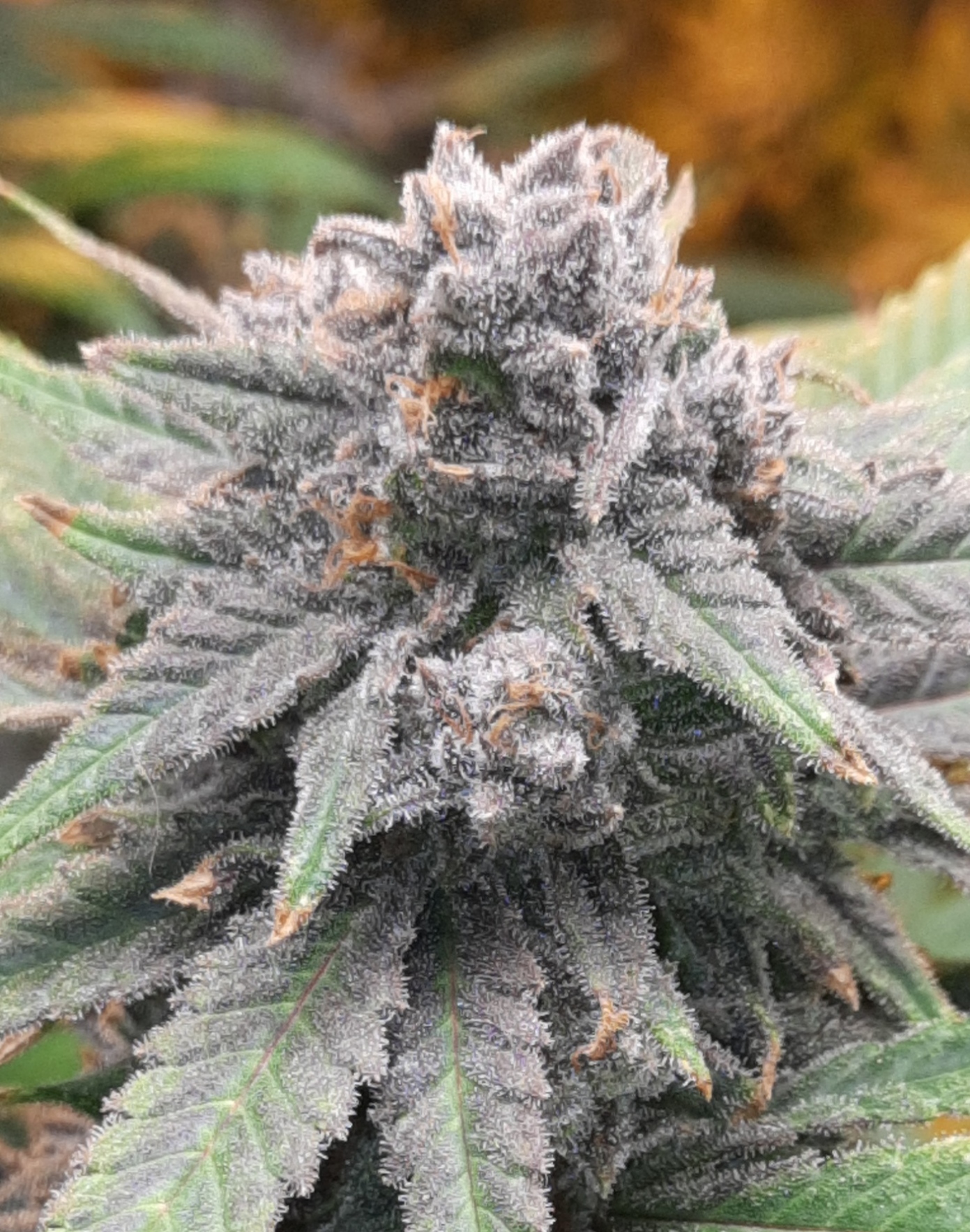
🍺 Growing Humulene-Rich Strains This Season?
Apple Fritter, Grape Canyon Zkittles, and GG4 all carry humulene at therapeutic levels alongside caryophyllene — the research-backed anti-tumor terpene combination. Vermont's outdoor season is moving. Spring consultation slots are open. Jeff builds your grow plan around real lab data and 13 years of Vermont-specific experience.
(802) 882-7077 · jeff@hgvtpro.com · hgvtpro.com · @hgvtpro